
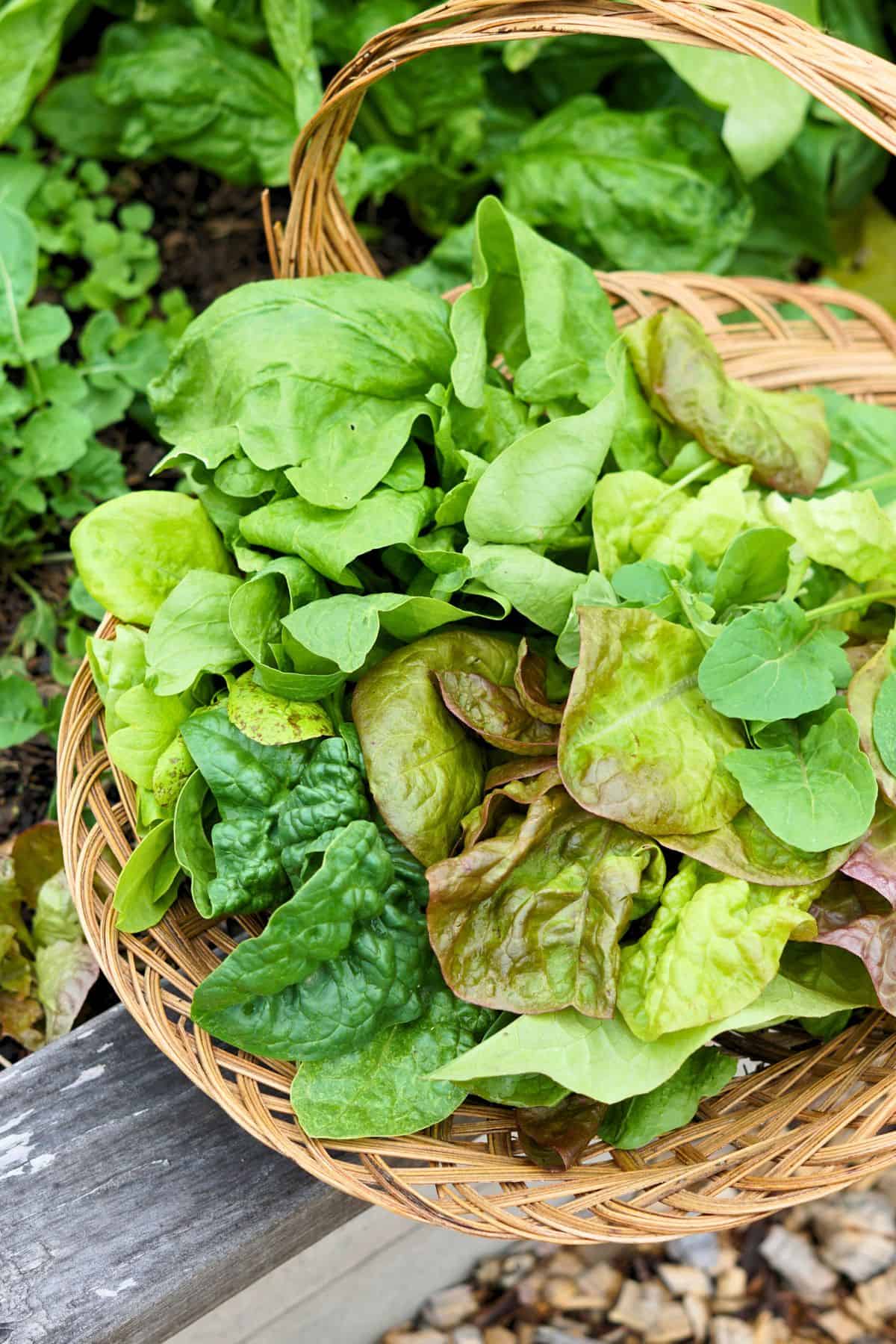
Been wanting to grow your own food, but not sure where to begin? Start here! Check out these three super easy leafy greens that anyone can grow (seriously, anyone).

Adored by new and experienced gardeners alike, these three leafy greens are easy to grow, adaptable to whatever space you have, and go far beyond just salads (although, I do love a mean salad).
With a little bit of time and love (and no prior gardening experience), you can have delicious, homegrown, and nutrient-packed greens throughout most of the year.
It’s the gift that keeps on giving.
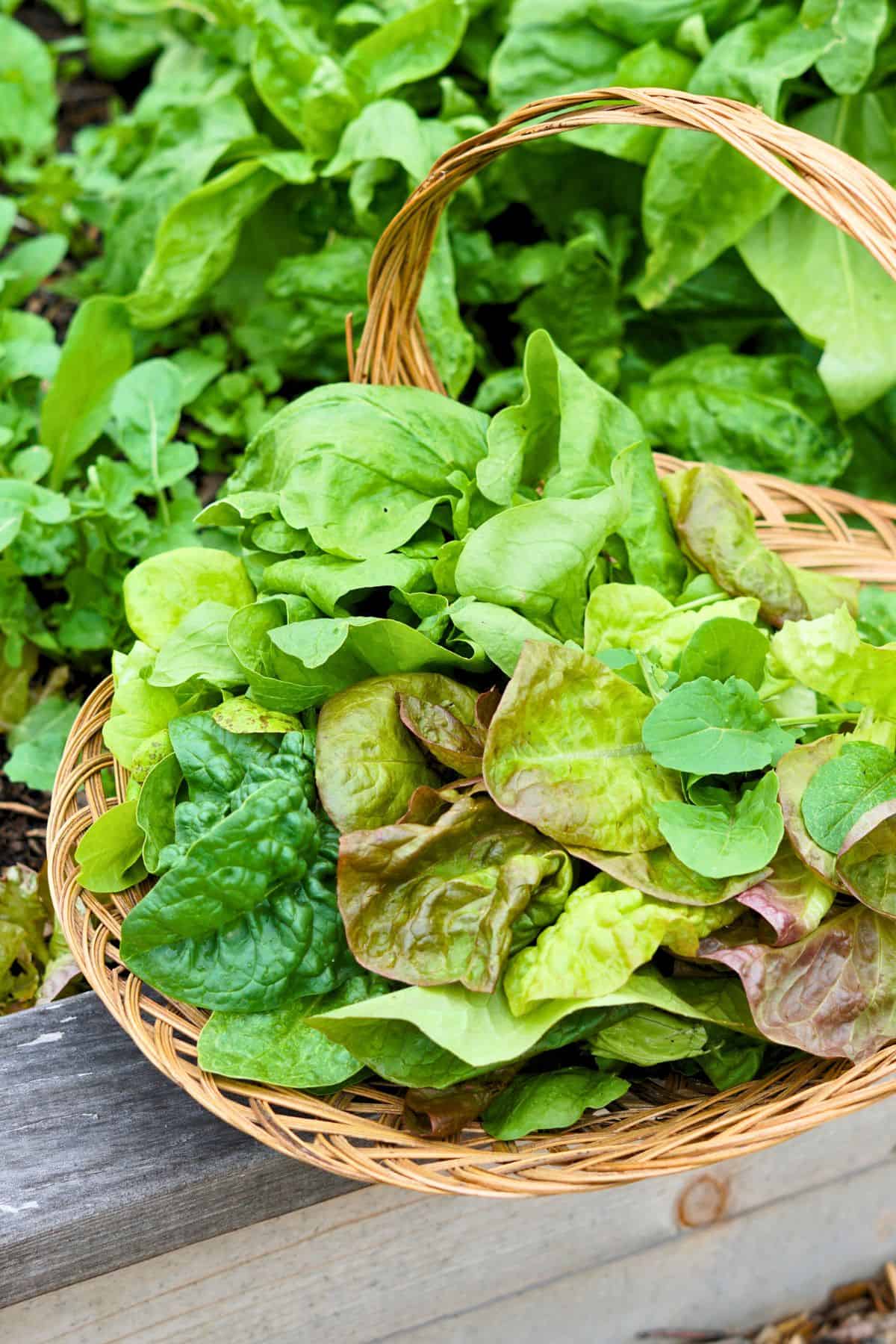
Why You should Grow These Leafy Greens
- The ultimate beginner’s veg: All three of these leafy greens are super easy to grow from seed, require minimal maintenance, and are quick to mature (ready to get in your belly in under 2 months). They have shallow root systems so you can get away with planting them in practically any size pot or container.
- Cold-loving and frost tolerant: Greens are some of the first and last plants standing in the colder months. Not only do they thrive in the cooler temps, they also endure frosts without a problem (who said gardening was just for the summer?).
- Cut-and-come-again greens: As you harvest the greens, you’ll pick the larger outer leaves, leaving the younger inner leaves to continue to mature. Over time, you’ll return again and again to harvest your fresh homegrown greens.
- Nature’s multivitamin: These leafy greens are packed with vitamins A, K, and C, iron, folate, and minerals like potassium and magnesium. They are also excellent sources of both antioxidants and fiber.
1. Spinach
Spinach, Spinacia oleracea, is a cool-weather-loving leafy green known for its ease in the garden and its versatility in the kitchen.
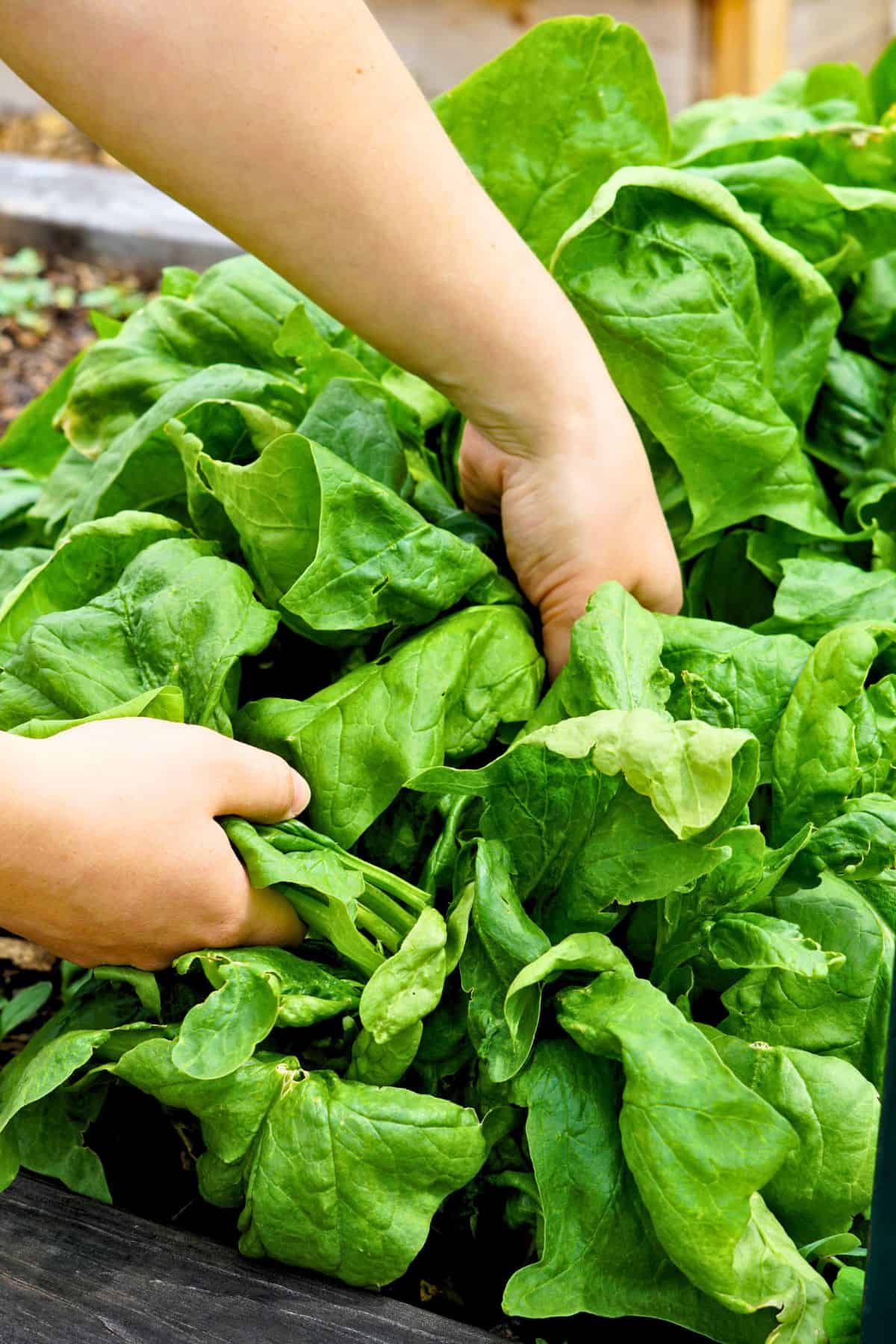
It’s a vigorous grower that will be content in any container or garden bed, as long as the weather is not too hot.
The tender green leaves have a subtly sweet and earthly flavor. They add a beautiful pop of color to a wide range of dishes.
Types of Spinach
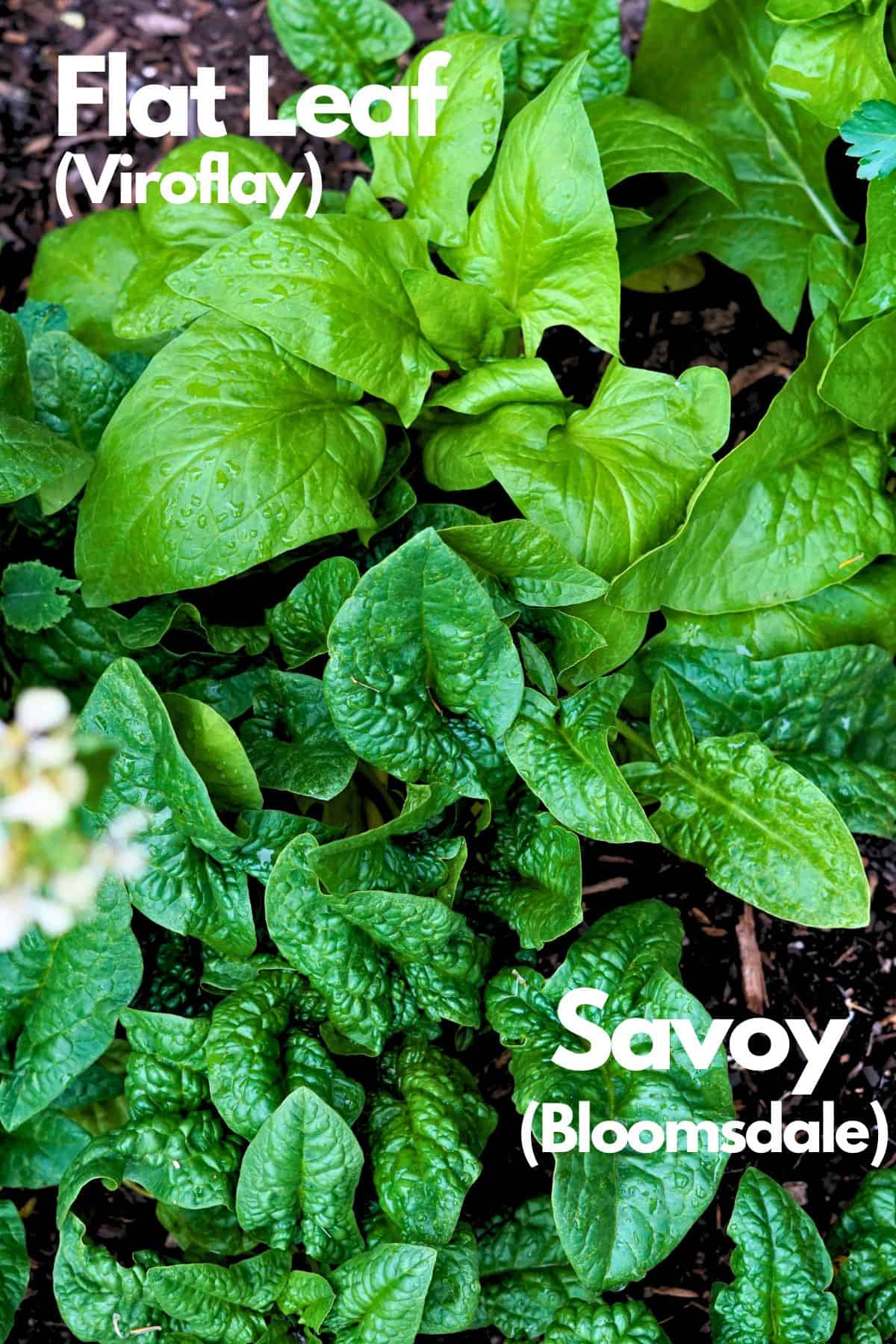
There are three main types of spinach you can grow: savoy, semi-savoy, and flat leaf. All are equally easy to grow, delicious, and nutritious.
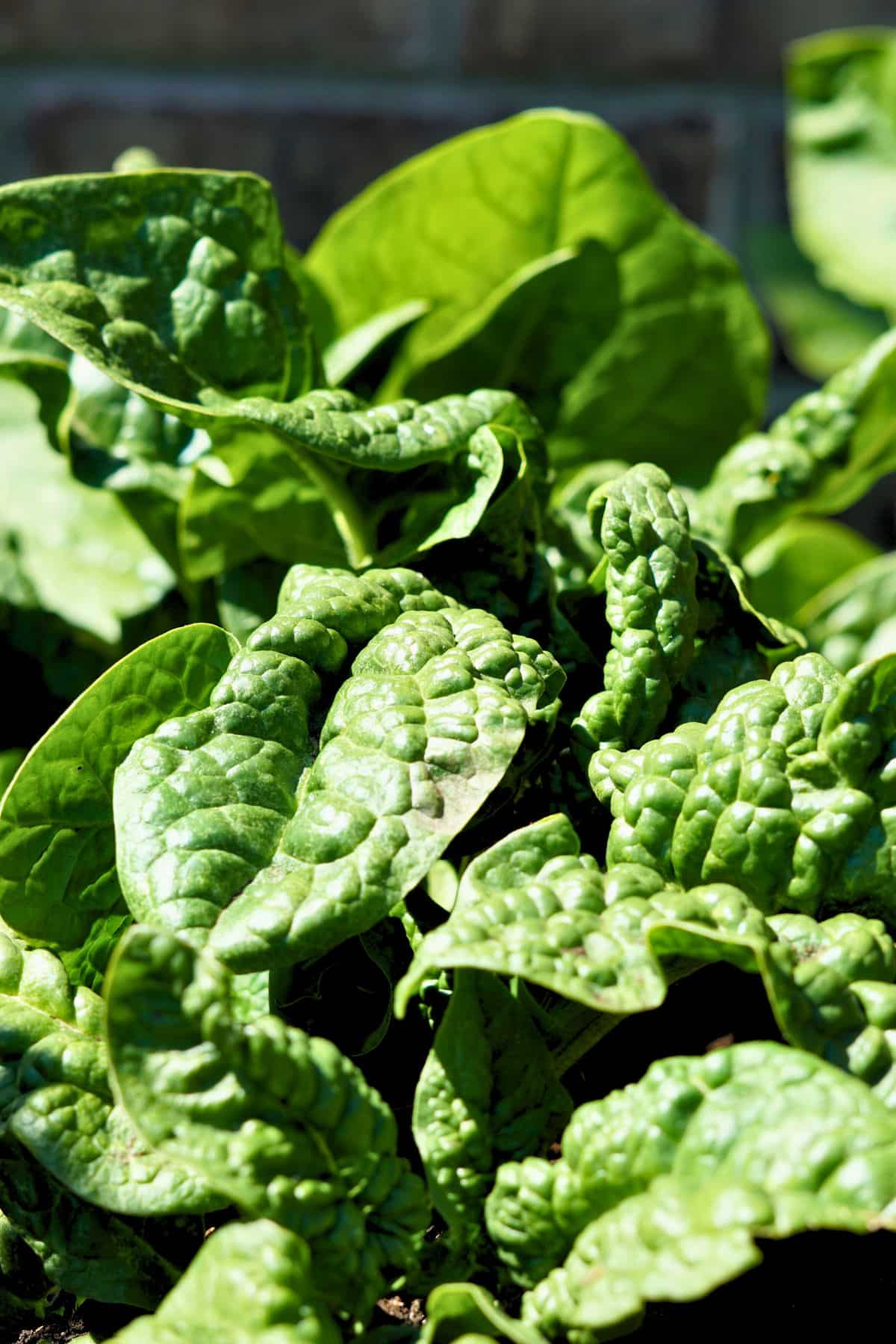
- Savoy: Recognized for its deeply crinkled leaves, savoy spinach has a higher cold tolerance, and its firmer texture is better suited for cooking.
- Semi-savoy: Having slightly less crinkled leaves than savoy, semi-savoy is easier to clean and has more of an upright growth pattern.
- Flat-leaf: The smoother, broader leaves of flat-leaf spinach are much more tender and most commonly eaten raw.
Growing Spinach
Good news! Spinach is one of the easiest plants to grow from seed and is perfectly suitable to be directly sown into the soil in the container or garden bed of your choosing. They have relatively shallow roots and only require about 4-6 inches of soil depth.
Spinach prefers the cool weather in spring and fall, which is the best time to sow it. General rule is to start spinach 4-6 weeks before your last spring frost (typically late winter or early spring).
Harvest your spinach throughout spring and early summer. Sow more seeds again 6-8 weeks before your first fall frost so you can be picking fresh spinach into winter.
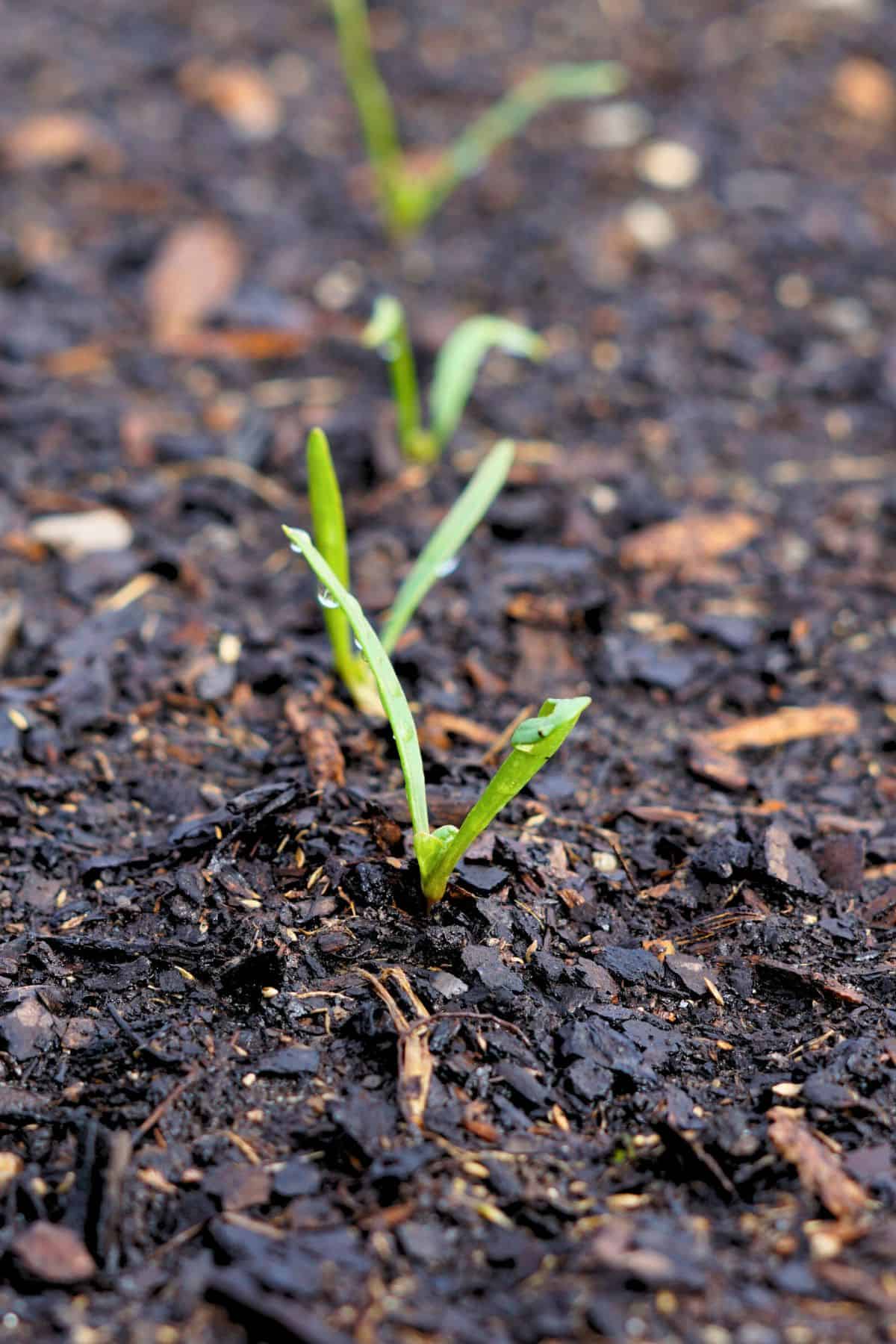
Traditionally it is suggested to sow spinach seeds about 12 inches apart. However, if you anticipate harvesting from them as frequently as I do, you can get away with spacing them apart by just 6 inches.
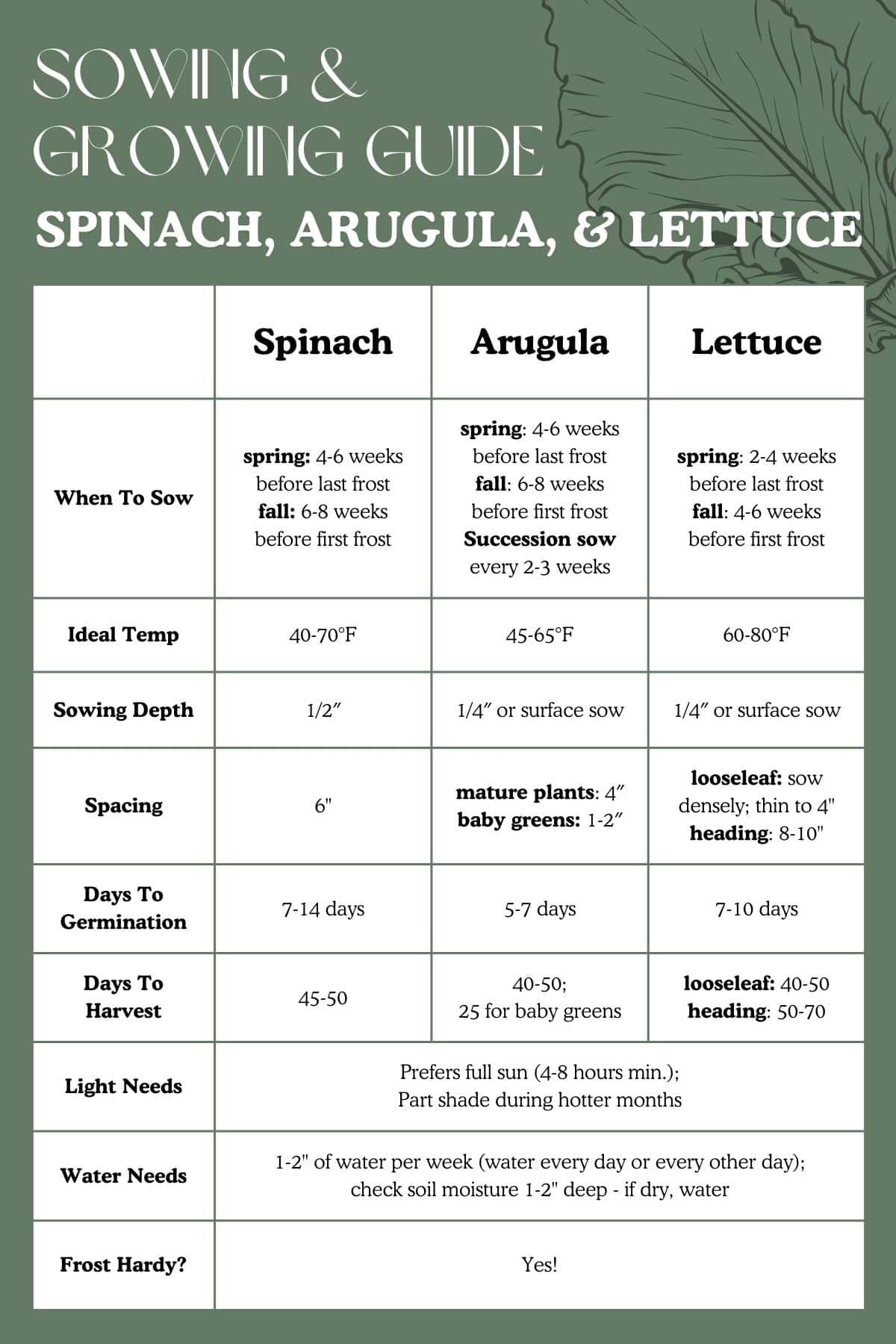
I’m notorious for breaking the rules in the garden, so check out my growing guide at the end for all the sowing and growing details.
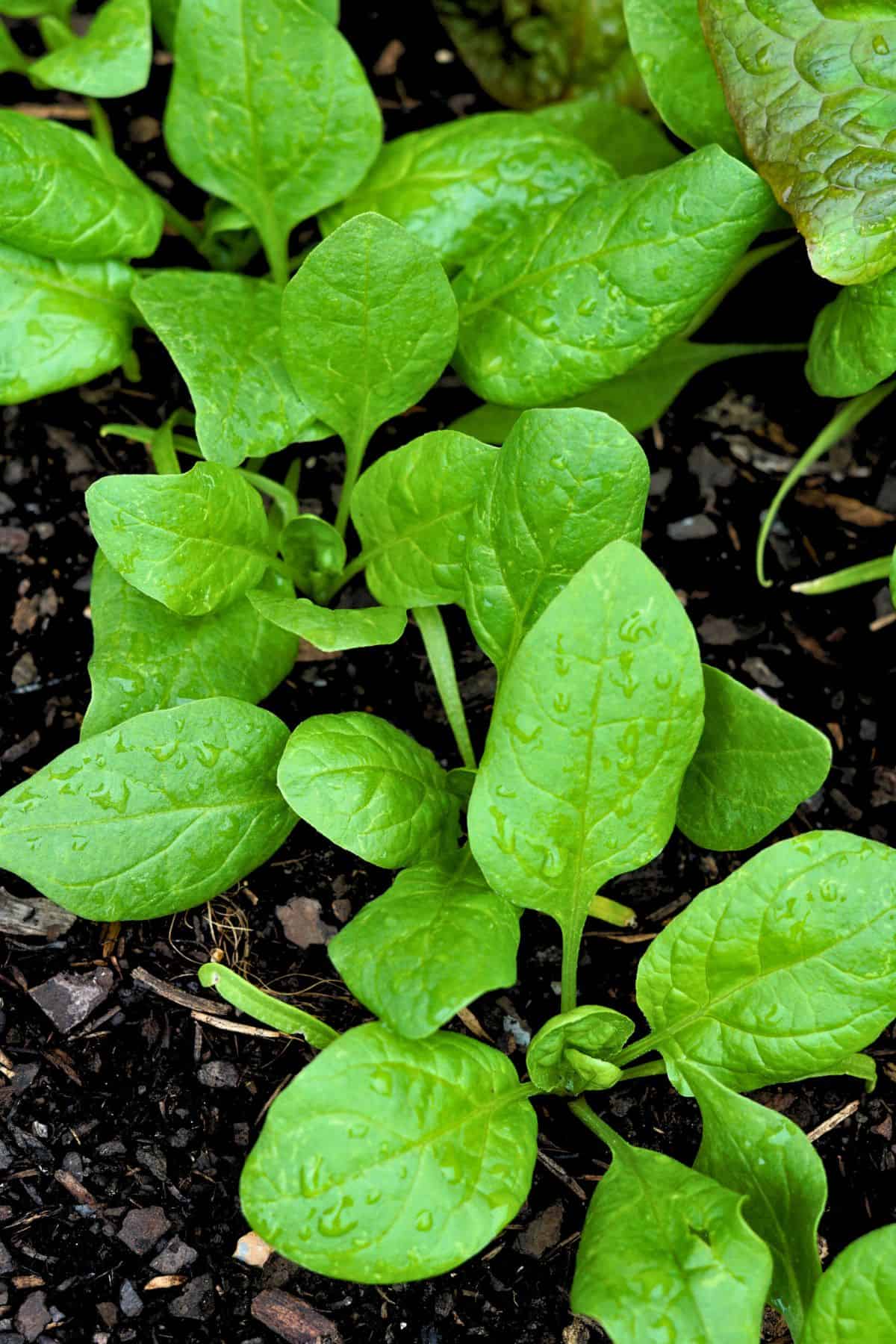
Spinach handles frosts with ease. In fact, the leaves develop a sweeter flavor after a few frosts. As the temps dive down to 20° F or lower, you’ll notice the plant succumb to damage and eventually die.
Note: Some varieties, like Viroflay, are extra cold hardy and survive the winter uncovered in my zone 7 garden. After being sown in late September, the plants remained small, and I harvested a few leaves occasionally throughout the winter. Once the temps began to warm in late February, the plants took off and I began harvesting daily until early summer.
Bolting
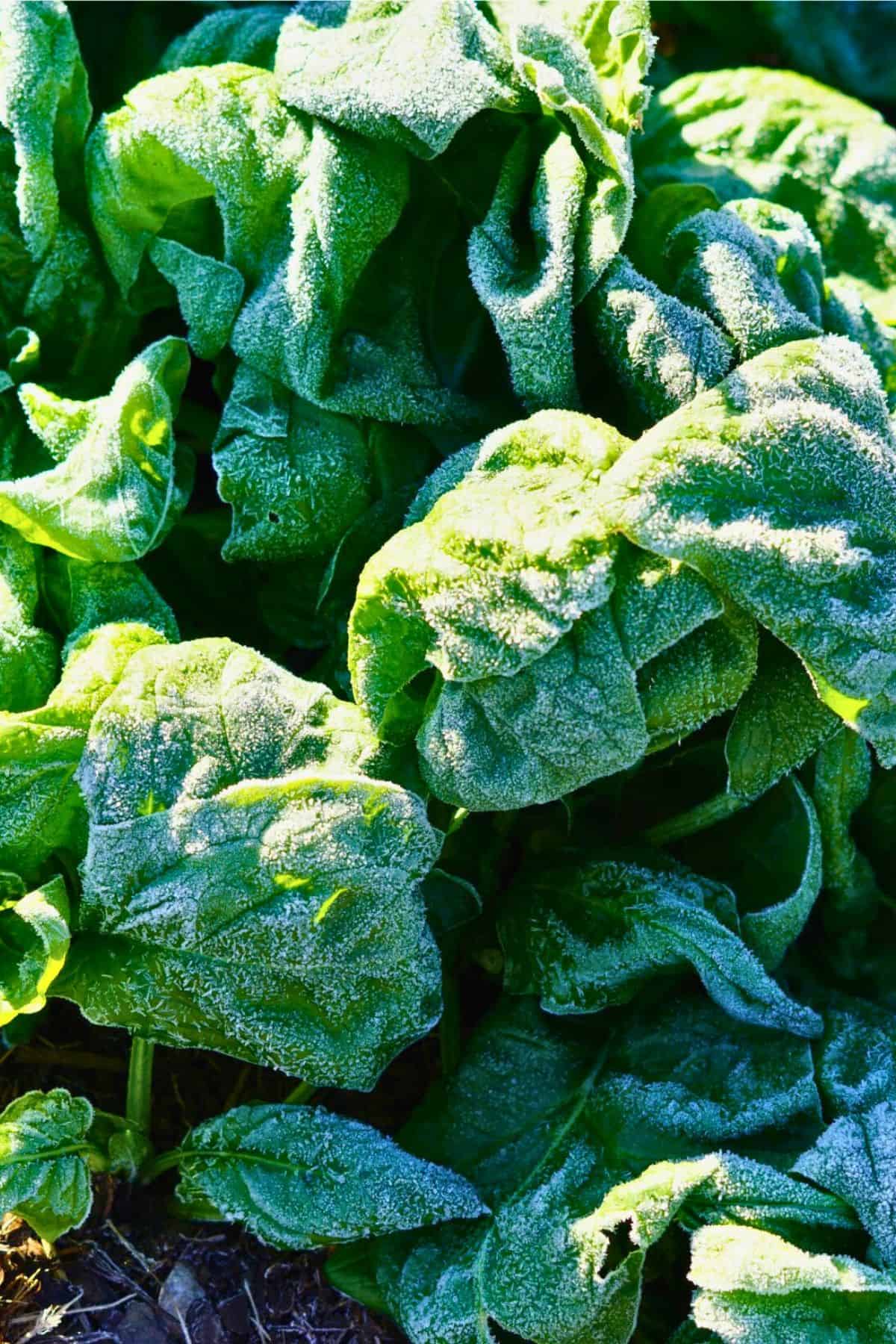
Spinach is not commonly susceptible to many pests or diseases. The main problem to look out for is bolting, a process that causes the plant to bloom (produce its seeds) through a tall stalk. Bolting makes the leaves taste bitter and unpleasant.
Once the temperatures rise above 75° F, not much can be done to stop the plant from bolting. You can either try sowing a new crop in a shadier area or wait until the temps cool off again in the fall.
Harvesting Spinach
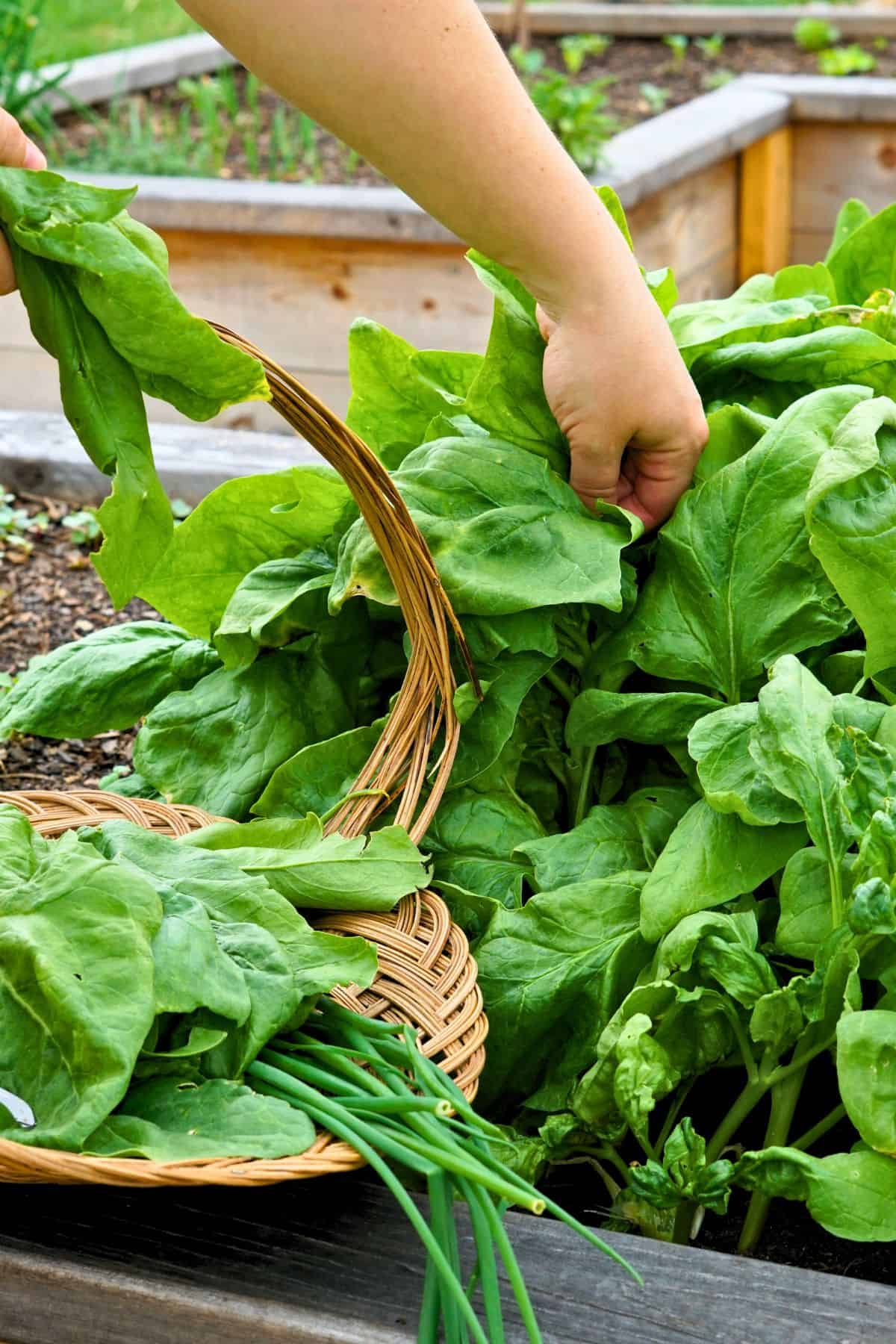
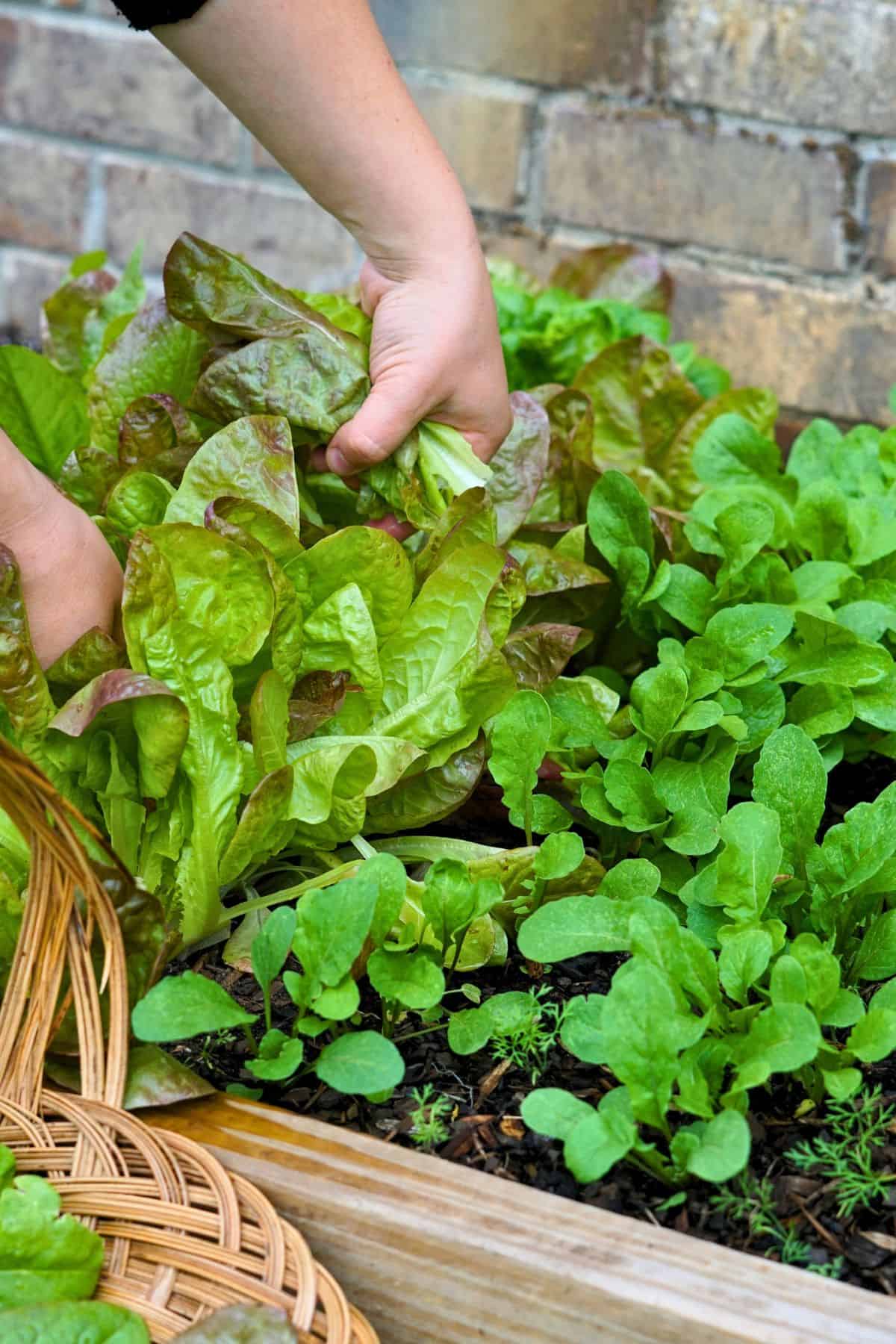
Harvest spinach by pinching off or cutting the more mature, outer leaves and leaving the center to continue to grow. You can start harvesting once the plant has 6-8 leaves. Pick just a couple at first and soon it will double and triple in size. You can continue to harvest from them up until they bolt.
Spinach Varieties To Try
- Extra cold hardy: Viroflay or Gigante D’ Inverno
- Somewhat heat tolerant: Bloomsdale Longstanding or Galilee
If you live in a hot climate or want to grow spinach in the dead of summer, try Chinese, New Zealand, or Red Malabar spinach. Although not technically spinach, these greens are grown and eaten in a similar way, except they won’t bolt in the summer’s heat.
2. Arugula
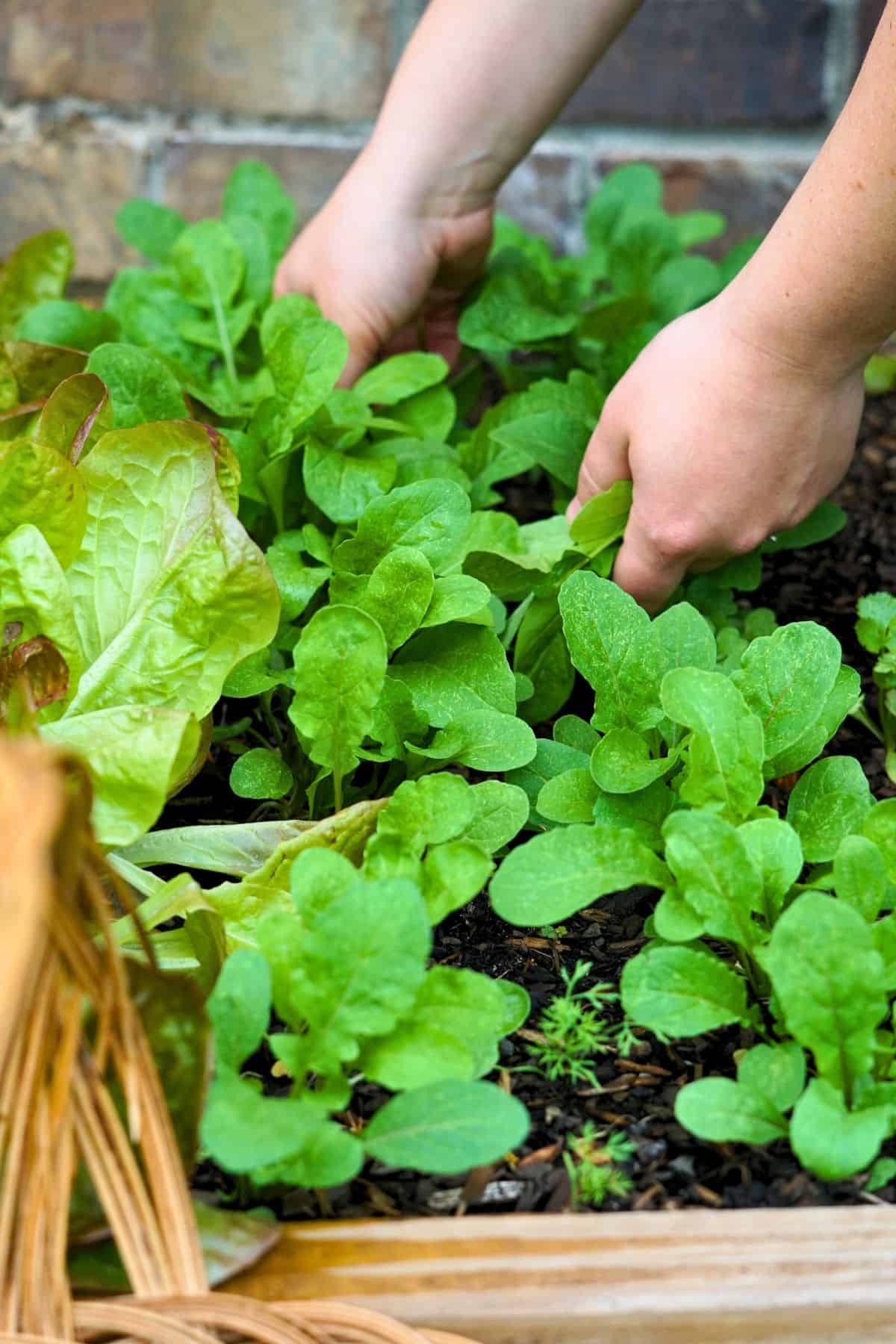
Also known as rocket, arugula (Eruca sativa) is a cool weather annual that produces tender, flavorful greens.
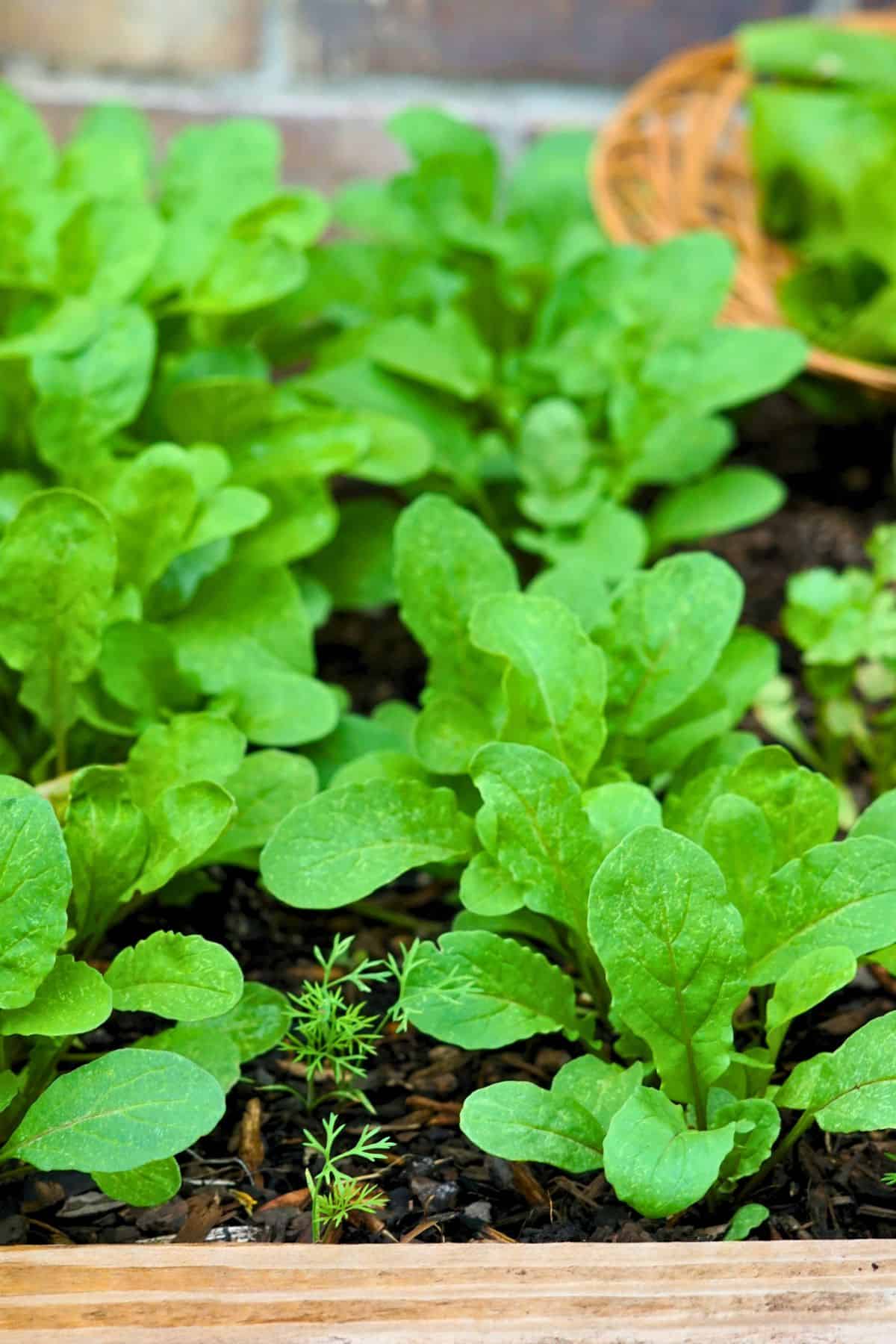
It is a member of the brassica family, which also includes kale, cabbage, and broccoli. Its leaves are quick to mature, especially in cooler temps, and can be sown in succession for harvests all year long.
Its peppery (sometimes spicy) leaves are a flavorful addition to salads, pizzas, and pasta. They’re delicate enough to top sandwiches, yet can hold their own in stir-fries or pesto.
Growing Arugula
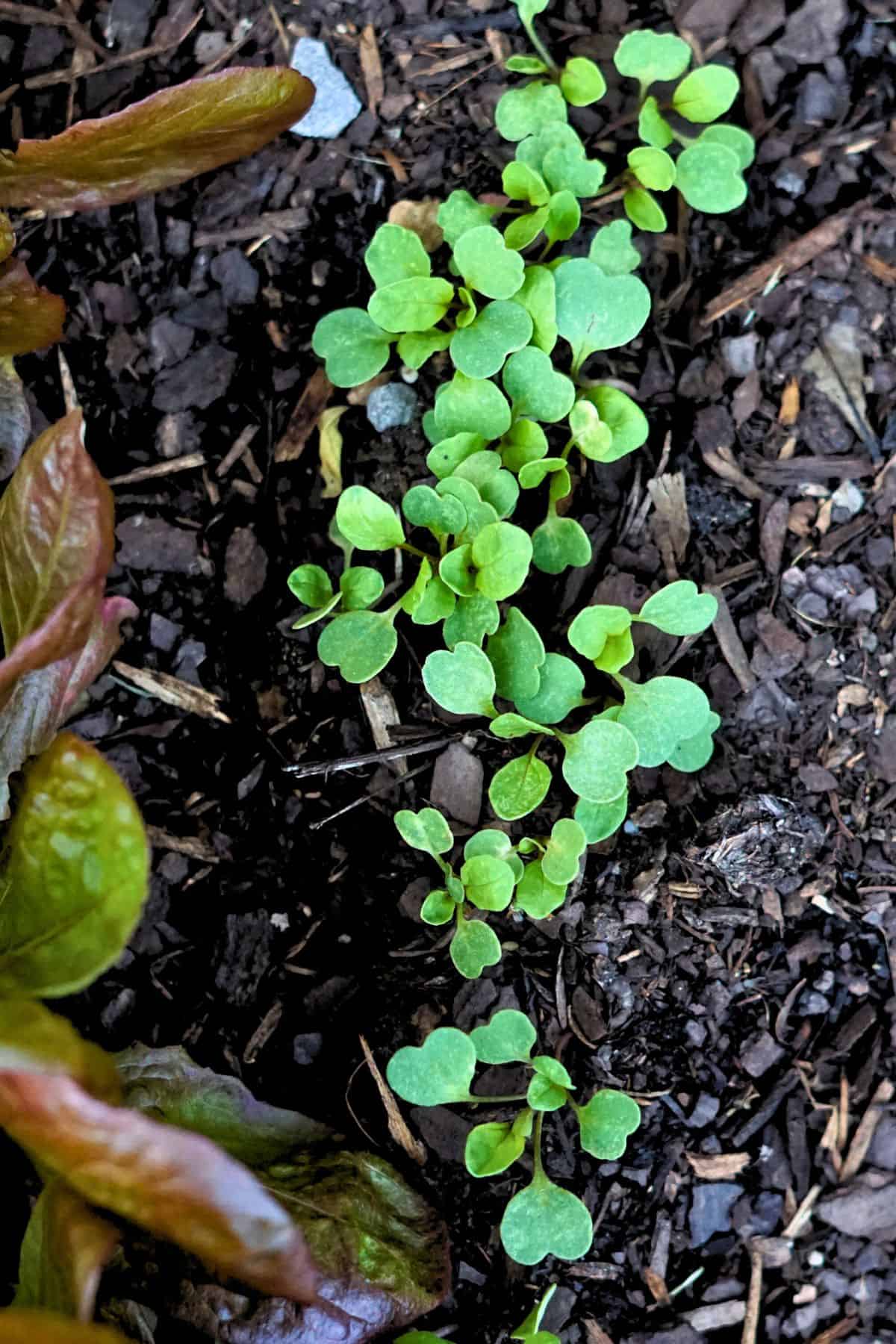
Arugula is just as easy to grow from seed as spinach.
It can quickly be grown to full maturity in a pot or raised bed, or you can sow the seeds more densely with the intention of harvesting it as tender baby greens (which have a much milder flavor).
For full growing specifics, check out my sowing and growing guide at the end of the post.
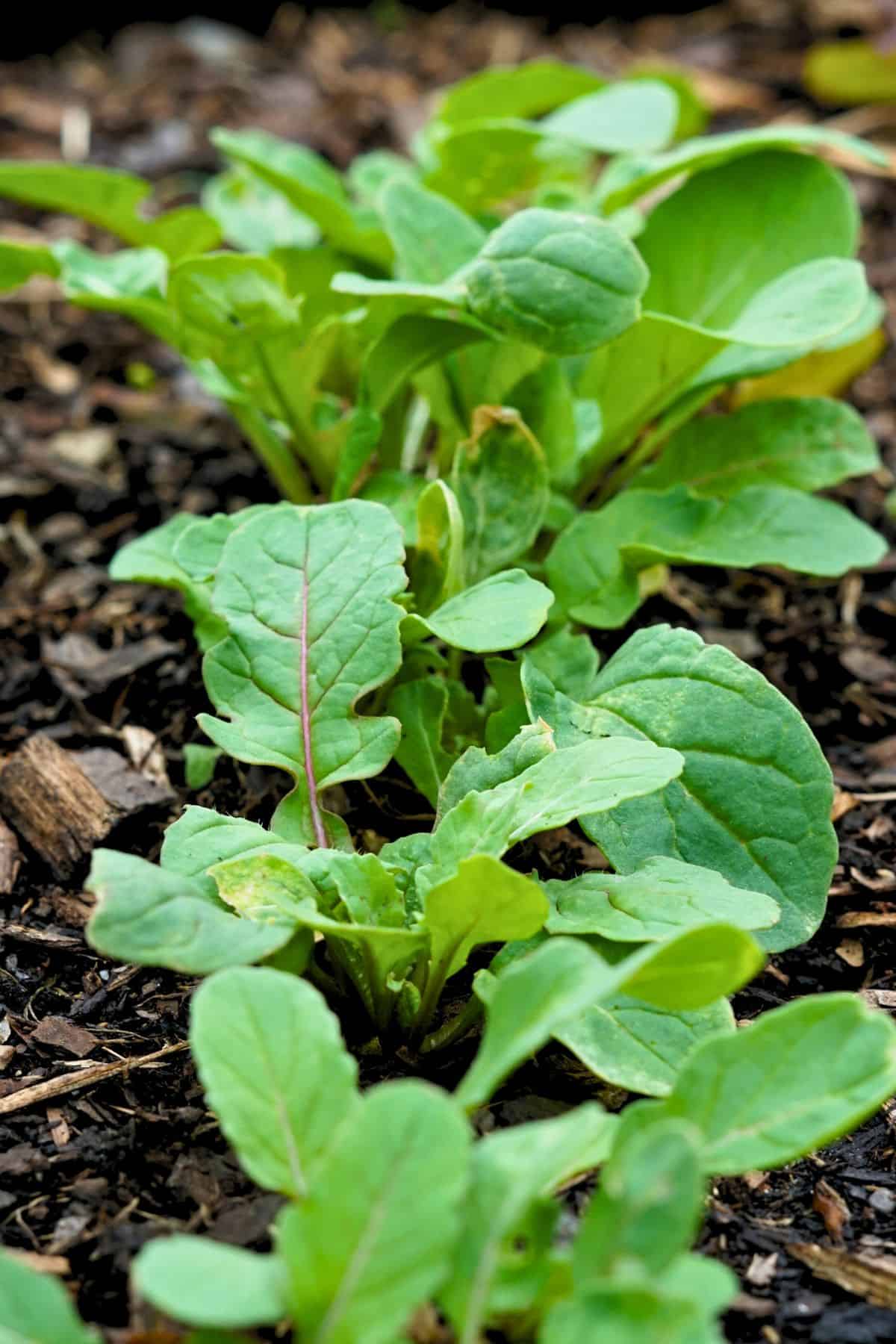
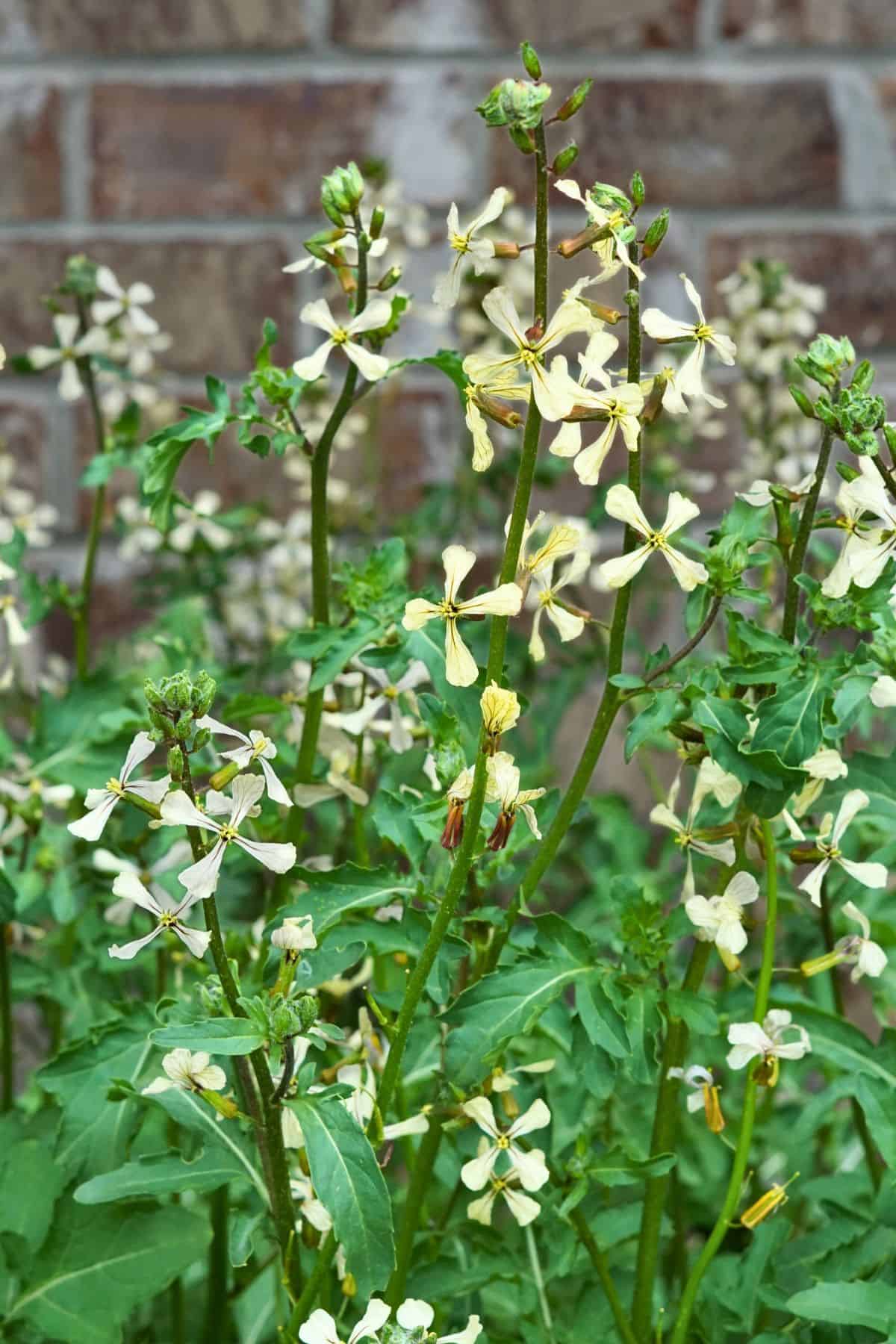
Because it is one of the fastest-growing greens, it has a short life cycle of 8-10 weeks. At this point, it will bolt and produce its seeds. Just like spinach, it will also bolt when the temperatures get too high.
For this reason, it’s wise to succession sow a new planting about every 2-3 weeks throughout spring and fall so you consistently have tender greens ready to be picked.
A simple way to tell your arugula is past its prime is the presence of fuzzy little hairs on the stem and bitter-tasting leaves. Sometimes I leave it be in the garden after it has bolted – the pollinators enjoy the delicate white flowers.
Harvesting Arugula
Just like the other greens, harvest arugula by pinching or cutting the outer leaves so that the smaller more tender ones can grow up and out.
If you don’t prefer the strong, peppery taste of arugula, try harvesting the younger, more mild-tasting leaves instead.
Arugula Varieties To Try
- Tried and true: Common or Wild Rocket
- Not so spicy: Astro
- Extra spicy: Wasabi
3. Lettuce
The staple leafy green of both the garden and kitchen is the humble and classic lettuce, Lactuca sativa.
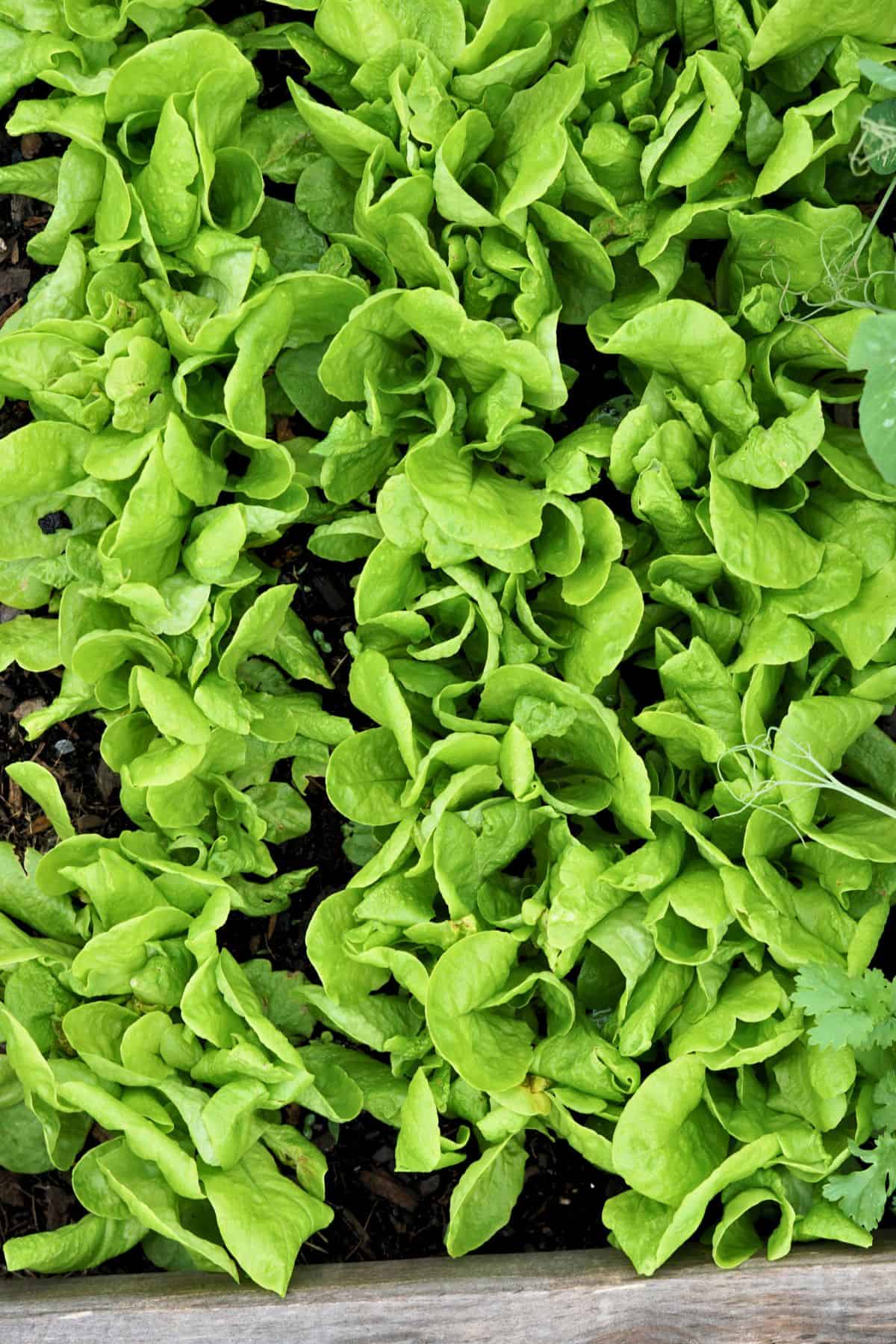
It’s easy to grow for beginners, and with endless varieties to choose from, it’ll quickly become your favorite crop to grow.
Types of Lettuce
While there is a wide variety of lettuce types based on growth pattern, these are the most common:
- Looseleaf: produces large, loosely arranged heads with tender, mild-tasting leaves.
- Romaine (Cos): known for its long, slender heads and crunchy texture.
- Iceberg: grows into tight, round heads and has a refreshing crisp texture.
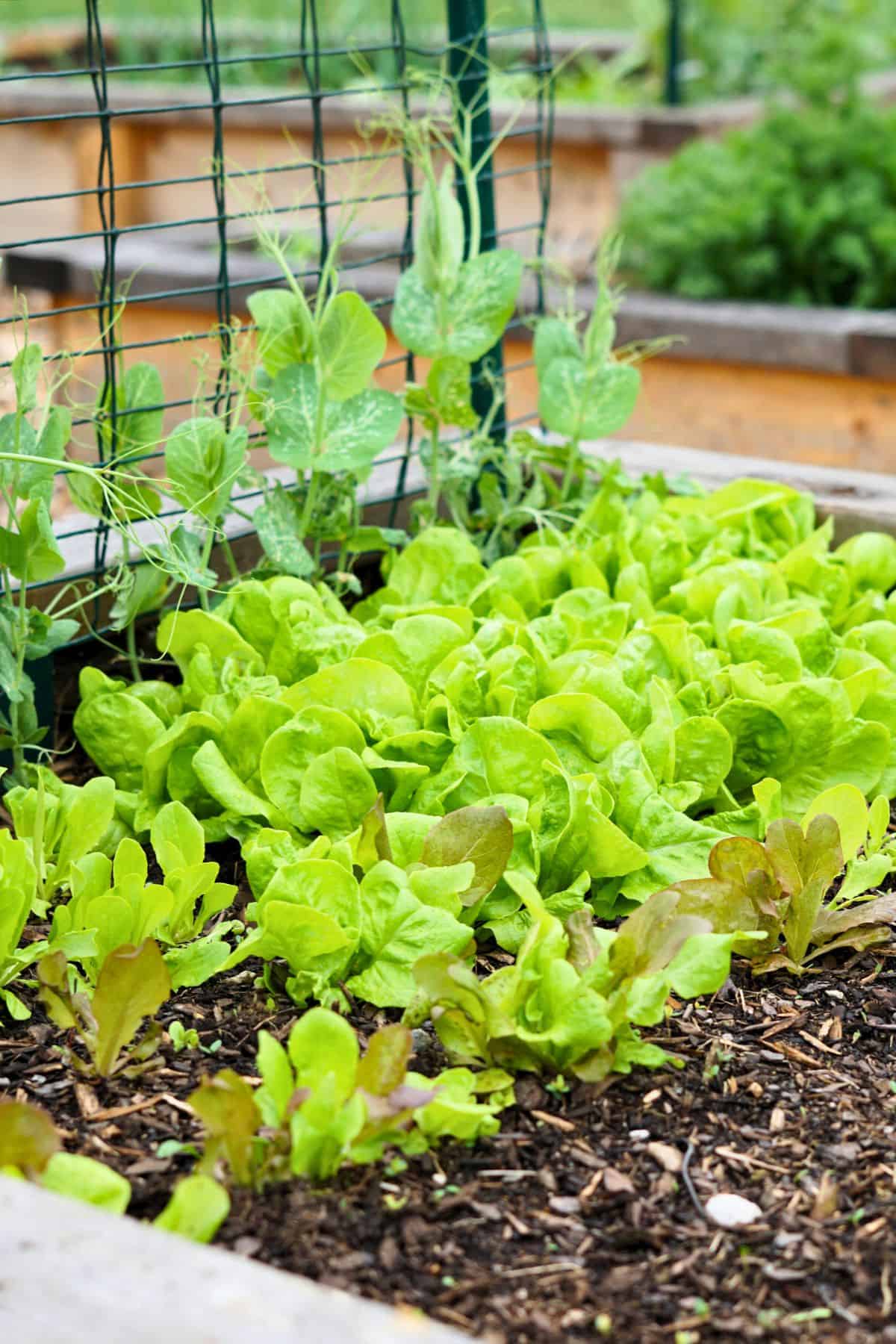
- Butterhead: forms a head that is less compact than iceberg, and leaves are soft and buttery.
Growing Lettuce
Depending on the type of lettuce you choose, you can sow it in one of two ways: full head or looseleaf.
- If growing for full, large heads of romaine or iceberg, you should space your sowings further apart and be a bit more patient to harvest the heads.
- “Surface sowing” is commonly done with looseleaf types (and any other tiny seeds). Simply sprinkle the seeds onto the soil surface and gently rake in with your fingertips so that the seeds have good contact with the soil. Keep moist and soon you’ll have a lush, thick blanket of crisp lettuce.
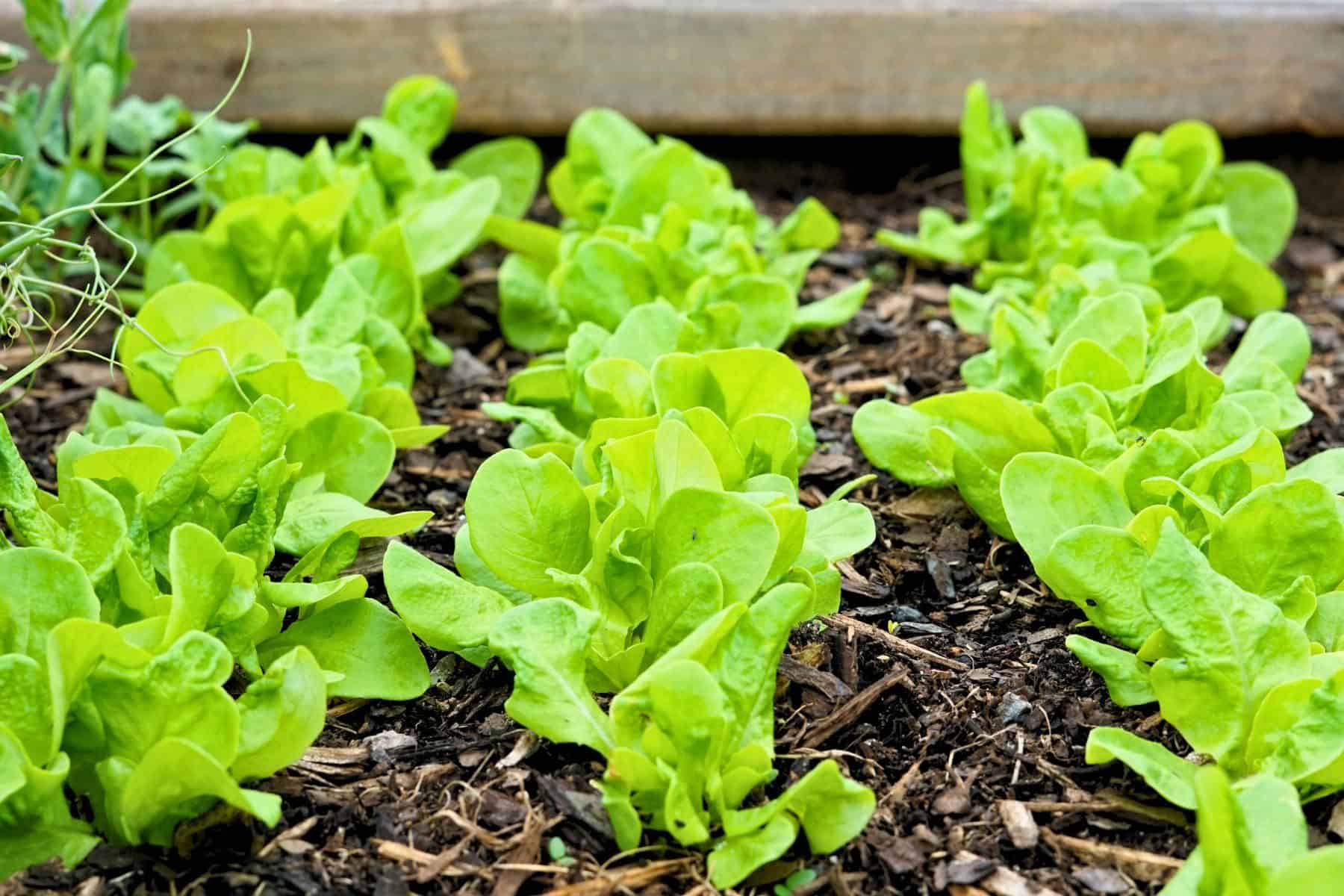
Like other greens, lettuce has a fairly shallow root system and it matures very quickly, making it ideal for containers and pots.
Lettuce is extremely cold hardy with some even growing throughout the winter despite snow and freezing temps.
It’s not a fan of the heat and will bolt as the temperature rises. Try planting a bolt-resistant variety or sow another planting once the temperatures begin to cool.
Lettuce itself is a high water content vegetable, so understandably it requires consistent watering to maintain its crispy crunchy leaves.
Harvesting Lettuce
Harvest the outer leaves as needed leaving the inner leaves to continue their growth.
If you leave it for a longer period of time, you can harvest a whole head once it reaches its mature size. Take a sharp knife and run it along the level of the soil to remove it from its roots.
Try to harvest lettuce in the early morning or evening when the water content is highest and the leaves are the best texture.
Lettuce Varieties To Try
- Everyone’s favorites: Gustav’s, Parris Island Cos, or Rocky Top Mix
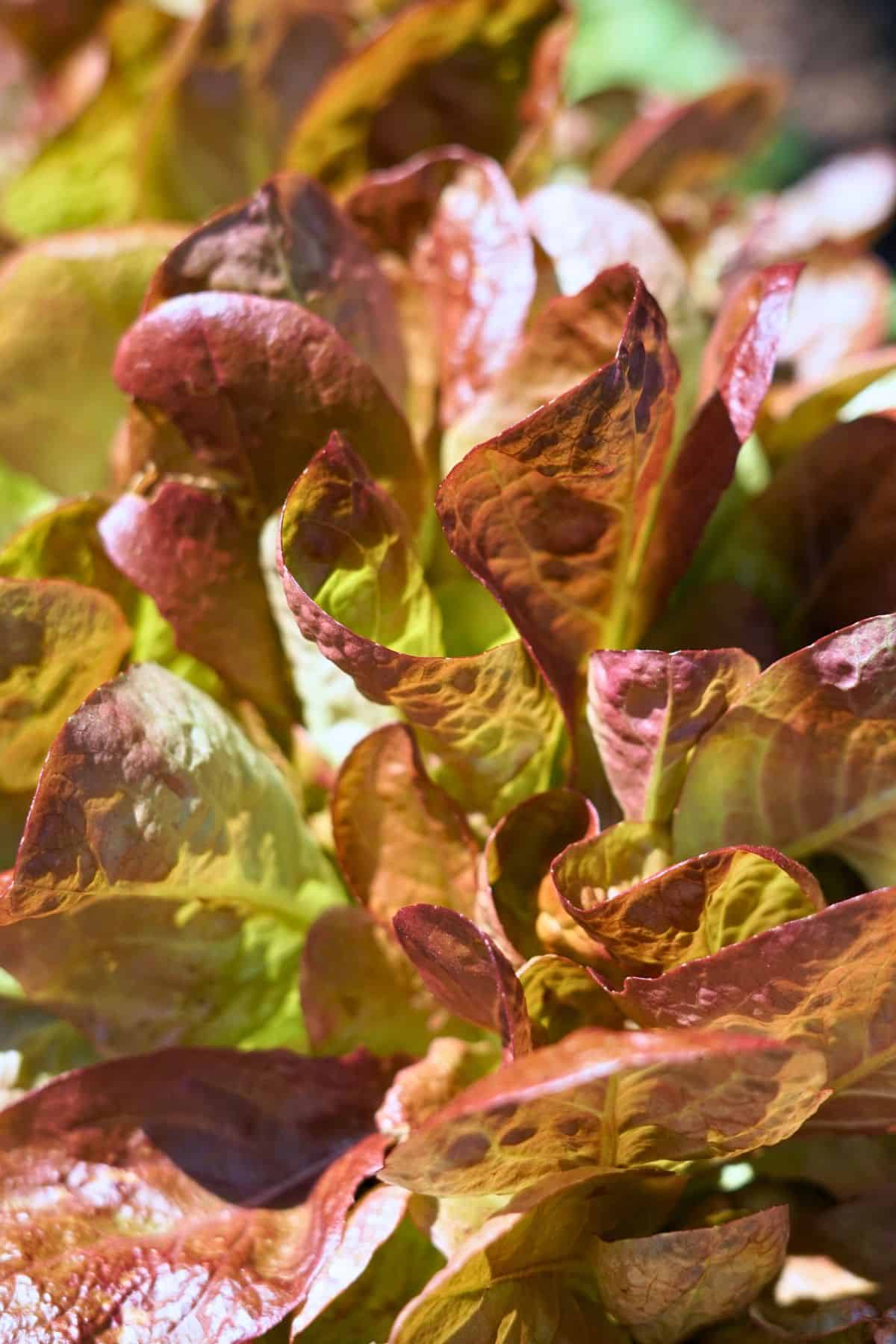
- Multicolored: Merveille des Quatre Saisons or Merlot
- Likely to grow throughout winter: Arctic King or Landis Winter
Tips For Growing The Best Leafy Greens
- Moisture is key: Like with all seed sowing, it’s crucial to keep the soil moist when they are germinating and maturing as young seedlings. Mist the soil once to twice a day as needed to have the most success with germination and beyond. Once they are well established, stick your finger 1-2 inches into the soil. If it feels dry, give them a drink.
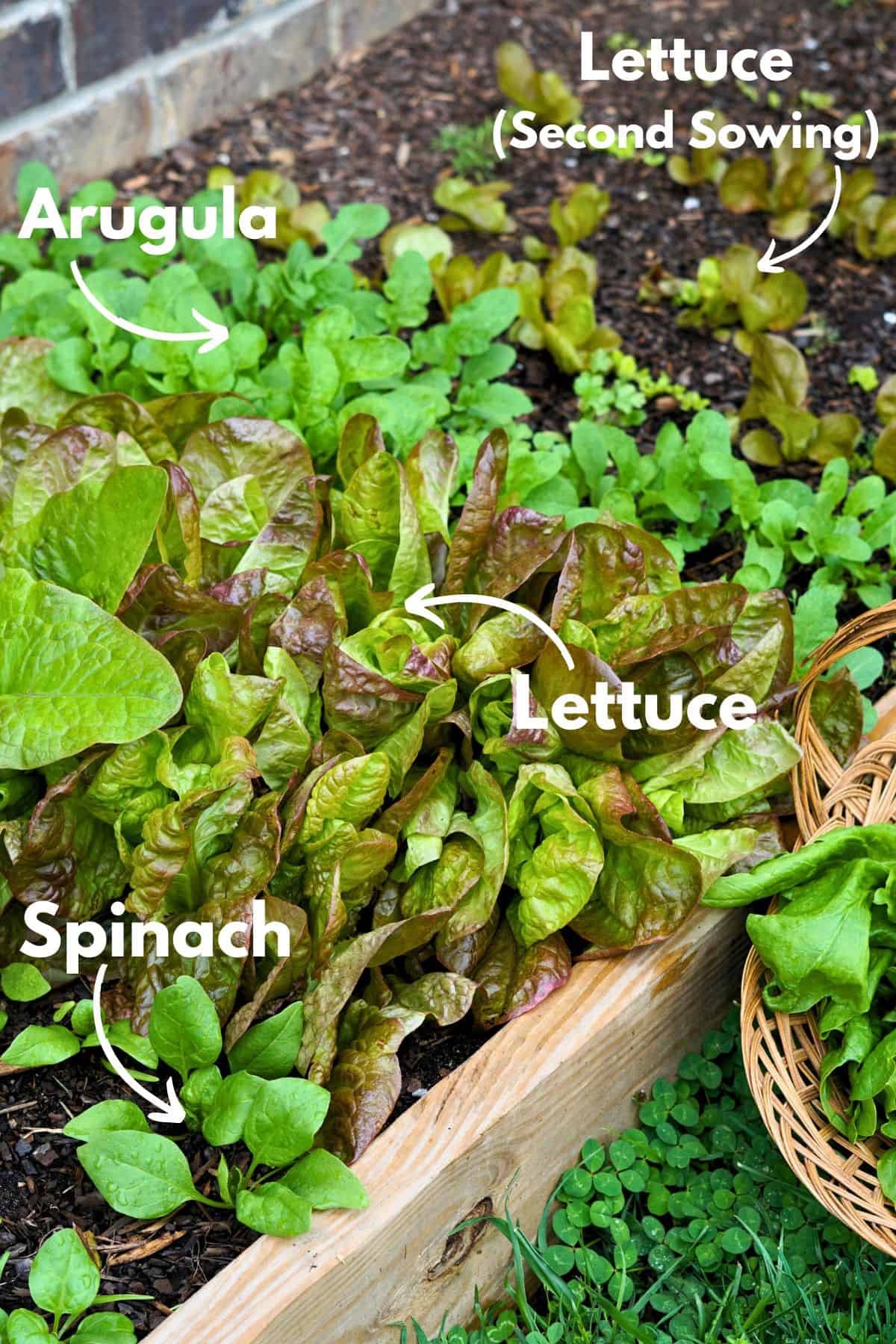
- Herbs and flowers are friends: If space allows, interplant your leafy greens with herbs and flowers to attract the good bugs and keep the bad ones away. Almost any herb or flower will make a good companion for leafy greens, but my favorites are chives, basil, dill, marigolds, and calendula. Although these greens generally aren’t victims of pests or diseases, a more diverse garden is a healthier one!
- Harvest often: Once your leafy greens have at least 6-8 leaves, you can start harvesting – and continue to harvest! Frequently picking leaves actually encourages the plant to produce more and more. As long as you leave the roots intact and a few leaves behind, these leafy greens will continue to produce all season long.
- Succession sowing: Along with frequent harvesting, spacing out your plantings in succession will help you have greens all year round. A general rule is to plant a row about every 2 weeks with minor breaks in the middle of summer and winter. Just as you begin to pick away at your mature greens, there will be another row growing in anticipation for the following months.
Sowing and Growing Guide
Check Out Some Leafy Green Recipes
More Learn-To-Grow Guides
- 5 Quick Tips for Growing Cilantro From Seed All Season Long
- How To Grow Chives (The Easiest Herb)
- 3 Simple Steps To Starting a Small Herb Garden
Thanks for reading! Let me know down in the comments your favorite greens to grow (and eat!)


Leave a Reply